The Hidden Mechanics of Loyalty Point Conversions in Cross-Platform Digital Gaming Ecosystems

Digital gaming ecosystems have expanded rapidly since the early 2020s, and loyalty point conversions now form a core component of player retention strategies across mobile, desktop, and console environments. Operators track user activity through centralized databases that assign points based on time spent, in-game purchases, and achievement milestones, then apply conversion rules that shift value from one platform's currency to another's. These rules often remain opaque to users yet determine how points earned in a mobile slot game translate into rewards usable on a PC-based table game suite.
Core Mechanics of Point Accumulation and Valuation
Platforms calculate point values using algorithms that weigh factors such as player tenure, deposit frequency, and average session length, while adjustments occur in real time through backend scripts that respond to server load and promotional calendars. Research from the University of Nevada's International Gaming Institute indicates that conversion ratios typically range between 100:1 and 500:1 depending on the target platform's revenue model, with higher ratios applied when points move from free-to-play titles into real-money environments. Data collected across major operators shows that May 2026 updates introduced dynamic multipliers tied to regional regulatory filings, allowing systems to adjust rates automatically when new compliance thresholds take effect.
Cross-Platform Data Synchronization Protocols
Synchronization relies on API endpoints that exchange encrypted player identifiers and point ledgers between separate company servers, yet latency issues arise when networks experience peak traffic during evening hours in multiple time zones. Engineers implement queue management systems that batch conversions during off-peak windows to reduce errors, and logs reveal that failed transfers trigger rollback procedures that restore original balances within 48 hours. Observers note that these protocols must accommodate differing tax reporting requirements across jurisdictions, which forces operators to maintain separate valuation tables for each regulatory zone.
Algorithmic Factors Influencing Conversion Rates
Hidden weighting systems apply decay functions that reduce point value over time unless users complete specific actions, such as daily logins or social media shares that feed additional telemetry into the same databases. A 2025 industry report prepared for the Canadian Gaming Association documented how machine learning models predict optimal conversion windows by analyzing millions of transaction records, then set rates that maximize retention while minimizing payout liability. Those models incorporate variables like device type and connection speed, which means points earned on high-speed fiber connections sometimes convert at more favorable ratios than those gathered on mobile data networks.
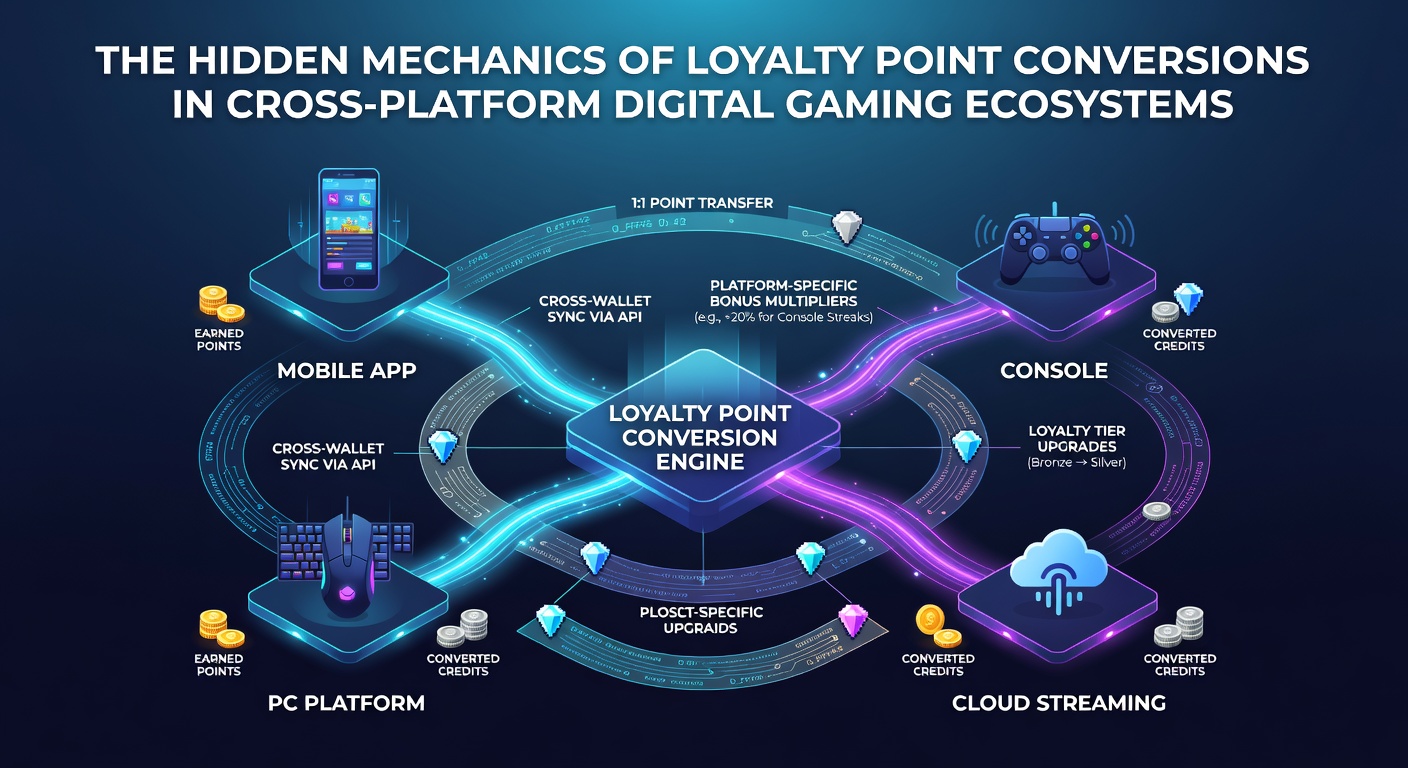
Seasonal events further complicate the picture because operators layer temporary bonuses onto base conversion formulas, and these bonuses expire according to schedules published only in fine print or push notifications. Players who miss the window discover that accumulated points revert to standard rates, which effectively lowers their purchasing power in the target ecosystem.
Regulatory Reporting Requirements and Transparency Standards
Government agencies in several regions now require operators to disclose conversion methodologies during annual licensing renewals, and filings submitted in early 2026 show increased scrutiny of how points cross from skill-based formats into chance-based ones. The Australian Communications and Media Authority has begun requesting sample transaction logs that demonstrate compliance with consumer protection rules, while similar data requests have emerged from state-level bodies in the United States. These requirements have prompted developers to build audit trails that record every conversion event with timestamps, originating platform identifiers, and applied multipliers.
Technical Infrastructure Supporting Seamless Transfers
Cloud-based ledgers hosted on distributed networks allow near-instant updates when a player initiates a conversion request, yet capacity constraints surface during major tournaments that drive simultaneous activity from thousands of accounts. Redundant storage nodes prevent data loss during outages, and failover procedures automatically reroute traffic to secondary regions. Integration with third-party payment processors adds another layer because those services apply their own fee structures that operators must absorb or pass along, which influences the final point value delivered to the user account.
Conclusion
Cross-platform loyalty point conversions continue to evolve through a combination of algorithmic adjustments, regulatory mandates, and infrastructure upgrades that collectively shape how value moves between digital gaming environments. Figures released in May 2026 confirm that transaction volumes have grown steadily, driven by expanding player bases and new device categories entering the market. Continued monitoring by industry groups and academic researchers will determine whether current synchronization methods scale effectively as ecosystems incorporate emerging technologies such as cloud gaming and virtual reality interfaces.