How Data Tracking Tools Influence Decision Making in Multi-Variant Online Card Games
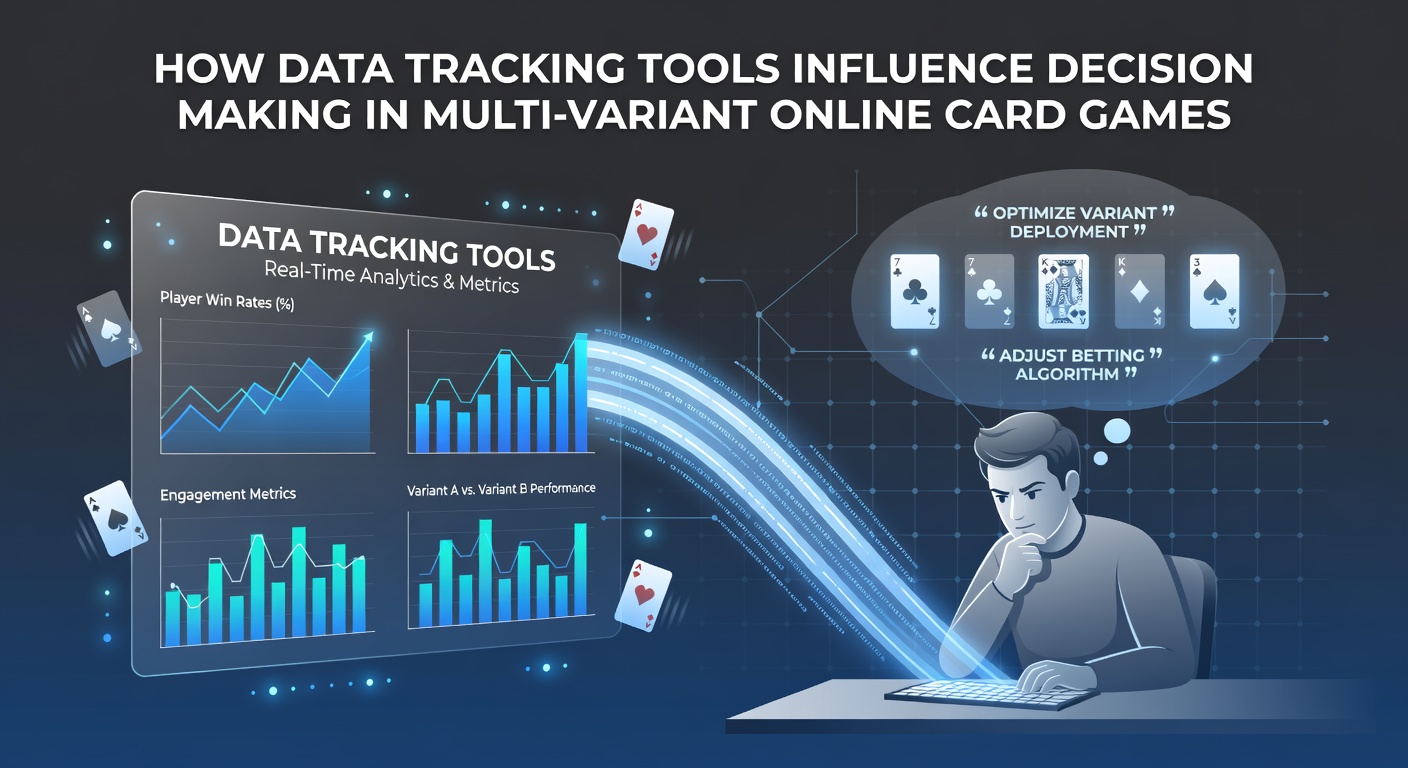
Data tracking tools have become central components in multi-variant online card games where players switch between formats such as Texas Hold'em, Pot-Limit Omaha, Blackjack side bets, and Caribbean Stud within the same session. These systems record hand histories, bet sizing patterns, and session durations across different game types, then present aggregated statistics that shape subsequent choices during play. Observers note that platforms integrate these tools directly into client software so participants receive real-time overlays without leaving the table.
Core Functions of Tracking Systems Across Variants
Modern platforms capture metrics including win rates per variant, fold frequencies against specific position raises, and average pot sizes when players move between ring games and tournaments. Software logs every action with timestamps, which allows algorithms to calculate expected value adjustments when a user transitions from a loose-aggressive Omaha table to a tighter Hold'em cash game. Data shows that users who review these cross-variant reports adjust their opening ranges within the first fifteen minutes of switching formats.
Developers build dashboards that display heat maps of profitable seating positions and opponent tendencies aggregated from thousands of prior hands. In May 2026 several major operators rolled out unified tracking modules that combine data from live dealer blackjack variants with RNG-driven poker tables, giving players a single interface for performance review. Those modules pull information from both on-platform databases and anonymized third-party hand databases to increase sample sizes for low-frequency decisions such as four-bet bluff frequencies in mixed-game rotations.
Real-Time Influence on In-Game Choices
Players consult heads-up displays that update after each hand to highlight deviations from population averages. When data indicates an opponent has folded to continuation bets seventy-two percent of the time in recent Omaha hands, many users increase their own bet sizing in the current Hold'em hand against the same screen name. This cross-variant leakage occurs because tracking software merges identifiers across game lobbies rather than isolating each variant's statistics.
Studies from research institutions reveal measurable shifts in aggression metrics once participants gain access to session-long tracking. One analysis of anonymized platform logs found a twelve percent rise in three-bet frequency during the first hour after players opened their personal statistics panel mid-session. The same dataset showed reduced call frequencies in marginal spots once historical loss rates for similar situations appeared on screen.

Automated alerts now notify users when their current play deviates from personal historical norms across multiple variants. These nudges arrive via subtle screen elements rather than pop-ups, maintaining game flow while still prompting adjustments. Tournament participants in particular rely on stack-to-blind ratios combined with prior performance data when deciding whether to open from late position after switching from a cash-game table.
Regulatory and Platform Data Standards
Regulatory bodies such as the New Jersey Division of Gaming Enforcement require operators to maintain complete hand histories for audit purposes, which indirectly supports player-facing tracking features. Similar requirements exist under the frameworks administered by the Nevada Gaming Control Board and the Australian Communications and Media Authority, each mandating data retention periods that exceed typical player session lengths. Platforms therefore store variant-specific logs for months rather than days, enabling long-term pattern recognition that influences strategic planning.
Industry groups including the American Gaming Association publish periodic reports on technology adoption rates, noting steady growth in analytic tool usage through early 2026. These reports document that operators offering multi-variant lobbies invest more heavily in unified data layers compared with single-game sites, because players demand consistent insight when moving between formats.
Longer-Term Strategic Adjustments
Seasoned participants export raw data files into external analysis programs that run Monte Carlo simulations across variant combinations. These simulations produce recommended line adjustments based on thousands of simulated outcomes drawn from actual historical frequencies. Users who apply such recommendations report narrower ranges in high-rake environments and wider ranges when data shows frequent recreational opponents in specific time windows.
Bankroll management decisions also incorporate tracked metrics. Software calculates moving averages of hourly win rates per variant and flags periods when results fall outside two standard deviations of prior performance, prompting some players to reduce stakes or switch tables. Platform operators observe that accounts utilizing these alerts exhibit longer average session lengths before voluntary stop-loss triggers activate.
Conclusion
Data tracking tools continue to expand their role in multi-variant online card environments by merging historical records across formats and delivering actionable overlays during active play. Regulatory mandates ensure comprehensive logging, while platform investments in unified dashboards accelerate adoption. As operators introduce additional variants and refine cross-game analytics in the months following May 2026, decision-making processes will increasingly rest on aggregated performance data rather than isolated session memory.