Examining Regulatory Shifts in Skill-Based Gaming Machines Across Emerging Markets
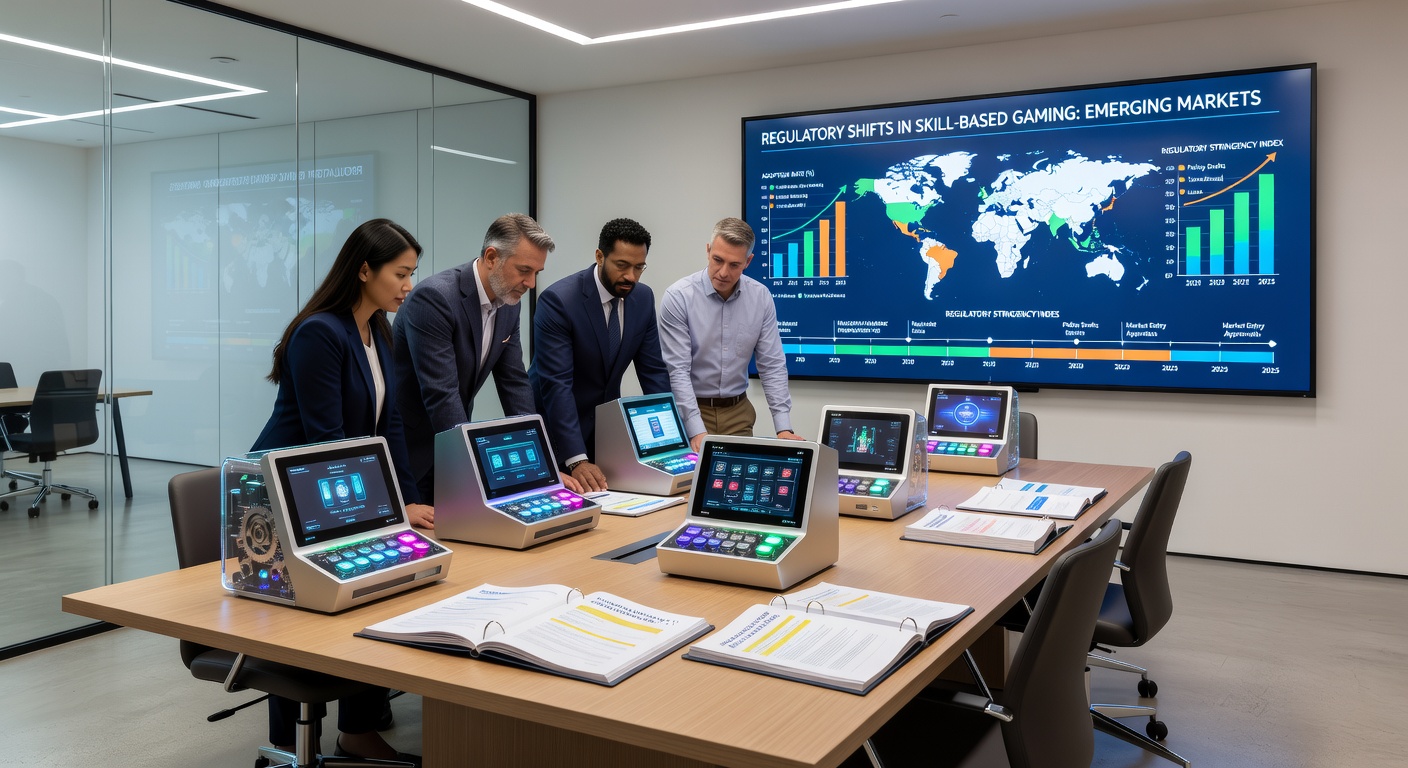
Skill-based gaming machines blend elements of traditional slot mechanics with player-driven decisions, and regulators across emerging markets continue to adjust frameworks that govern their deployment. These devices often feature video game-style interfaces where outcomes depend partly on skill, which creates distinct licensing and taxation considerations compared with pure chance games. Governments in several regions now evaluate how to classify these products while balancing revenue goals against consumer protection priorities.
Developments in Southeast Asia
Philippine authorities have updated licensing categories for skill-influenced terminals since early 2025, and operators must demonstrate that skill components meet minimum thresholds for payout transparency. Data from the Philippine Amusement and Gaming Corporation shows that approved installations rose 18 percent year-over-year through the first quarter of 2026, driven largely by integrated resort expansions. Regulators require independent testing labs to certify that random number generators interact fairly with skill layers, and new compliance audits began rolling out in March.
Vietnam's Ministry of Finance introduced draft guidelines in late 2025 that would permit skill-based machines inside designated tourism zones. The proposed rules separate these devices from standard electronic gaming machines for tax purposes, applying a tiered structure that rewards operators who maintain detailed session logs. Industry observers note that pilot programs in Da Nang and Phu Quoc could expand if May 2026 performance metrics meet revenue and responsible gaming benchmarks set by the central government.
Changes Across Latin America
Brazil's federal gaming law, enacted in 2024, opened pathways for skill-based products inside both land-based casinos and online platforms once state-level regulations finalize. Several states including Rio de Janeiro and São Paulo formed working groups that examine how player skill percentages affect licensing fees. Preliminary technical standards released in February 2026 require machines to display real-time probability information, and testing protocols now incorporate third-party verification from certified labs in Europe and North America.
Colombia’s Coljuegos agency adjusted its technical resolution in April 2026 to include skill-based terminals under the same reporting umbrella used for video lottery terminals. Operators must submit quarterly reports detailing average session lengths and player return metrics, while new rules limit maximum bet sizes on devices where skill edges exceed 15 percent. These measures aim to create consistent oversight across both physical and digital channels operating within the country.
Trends in Additional Emerging Regions
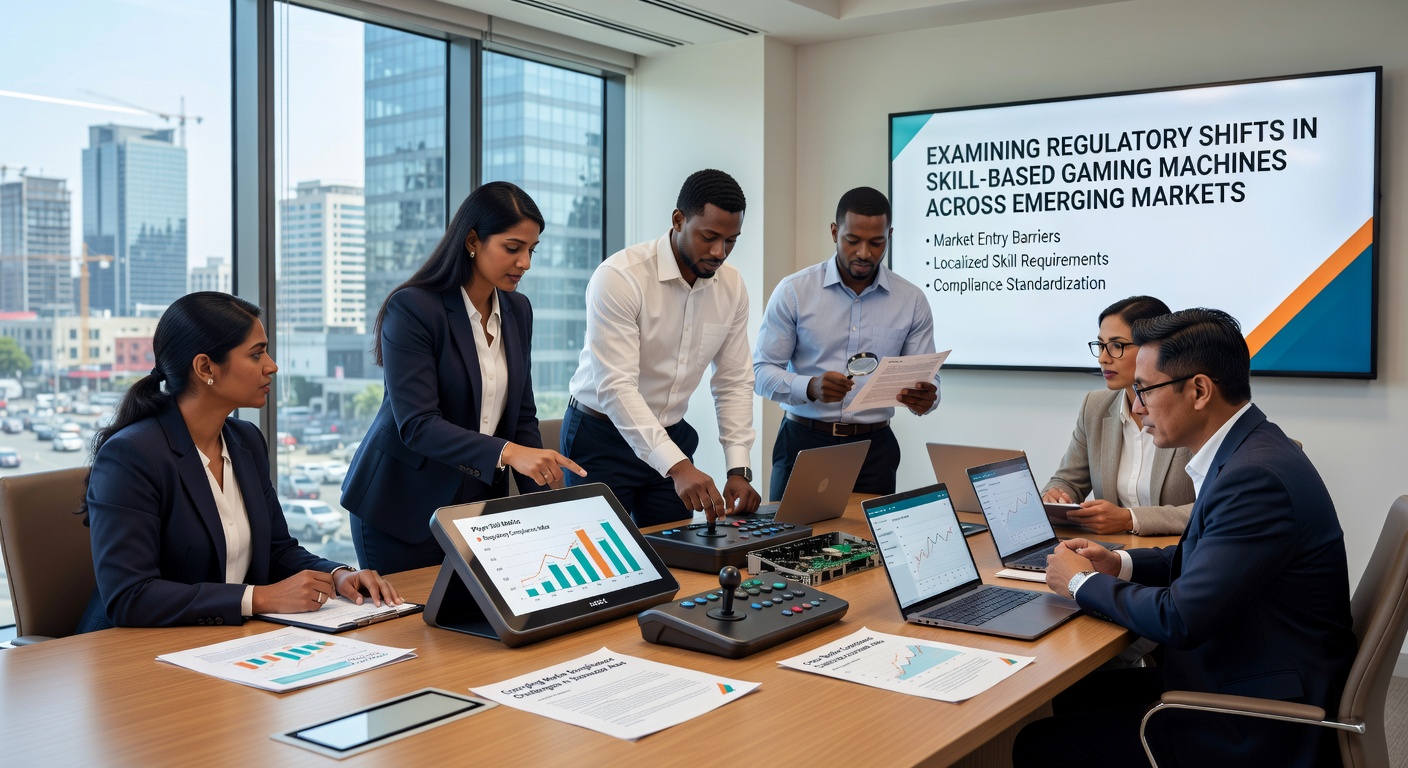
South African regulators at the National Gambling Board continue to review applications for skill-hybrid machines following amendments to the National Gambling Act. Provincial licensing authorities now require operators to implement age-verification systems tied directly to machine software, and early data indicates higher compliance costs for smaller venues. Meanwhile, Kenya’s Betting Control and Licensing Board published consultation papers in January 2026 that explore whether skill-based devices should fall under sports betting or casino-style taxation categories.
India’s state-level variations remain pronounced, with several governments evaluating amendments that would allow skill-based machines inside licensed skill-gaming centers. Maharashtra and Tamil Nadu have both signaled interest in pilot programs that could launch after May 2026, provided operators meet strict data-sharing requirements with state revenue departments. Research from academic institutions tracking regulatory patterns across Asia shows that jurisdictions with clearer technical definitions tend to attract faster investment from equipment manufacturers.
Common Regulatory Themes
Across these markets, authorities emphasize independent testing, transparent display of skill versus chance ratios, and standardized reporting on player behavior. Many frameworks now incorporate provisions for ongoing software updates, which means operators must re-certify machines after any material change to algorithms. Tax structures frequently differentiate based on the percentage of outcomes influenced by skill, and several regulators have begun collaborating with international standards organizations to align testing methodologies.
Equipment suppliers report increased demand for modular platforms that can be reconfigured to meet varying jurisdictional requirements without full hardware replacement. This flexibility has become a key selling point as emerging markets refine their approaches, and trade associations such as the International Association of Gaming Regulators have hosted workshops focused on classification consistency.
Conclusion
Regulatory shifts continue to reshape how skill-based gaming machines enter emerging markets, with emphasis on technical certification, differentiated taxation, and cross-border alignment of standards. Jurisdictions that finalize clear rules by mid-2026 stand to influence investment flows, while ongoing pilot programs provide data that will inform future adjustments. Observers expect further refinements as governments balance revenue generation with consumer safeguards in this evolving segment.